Key points:
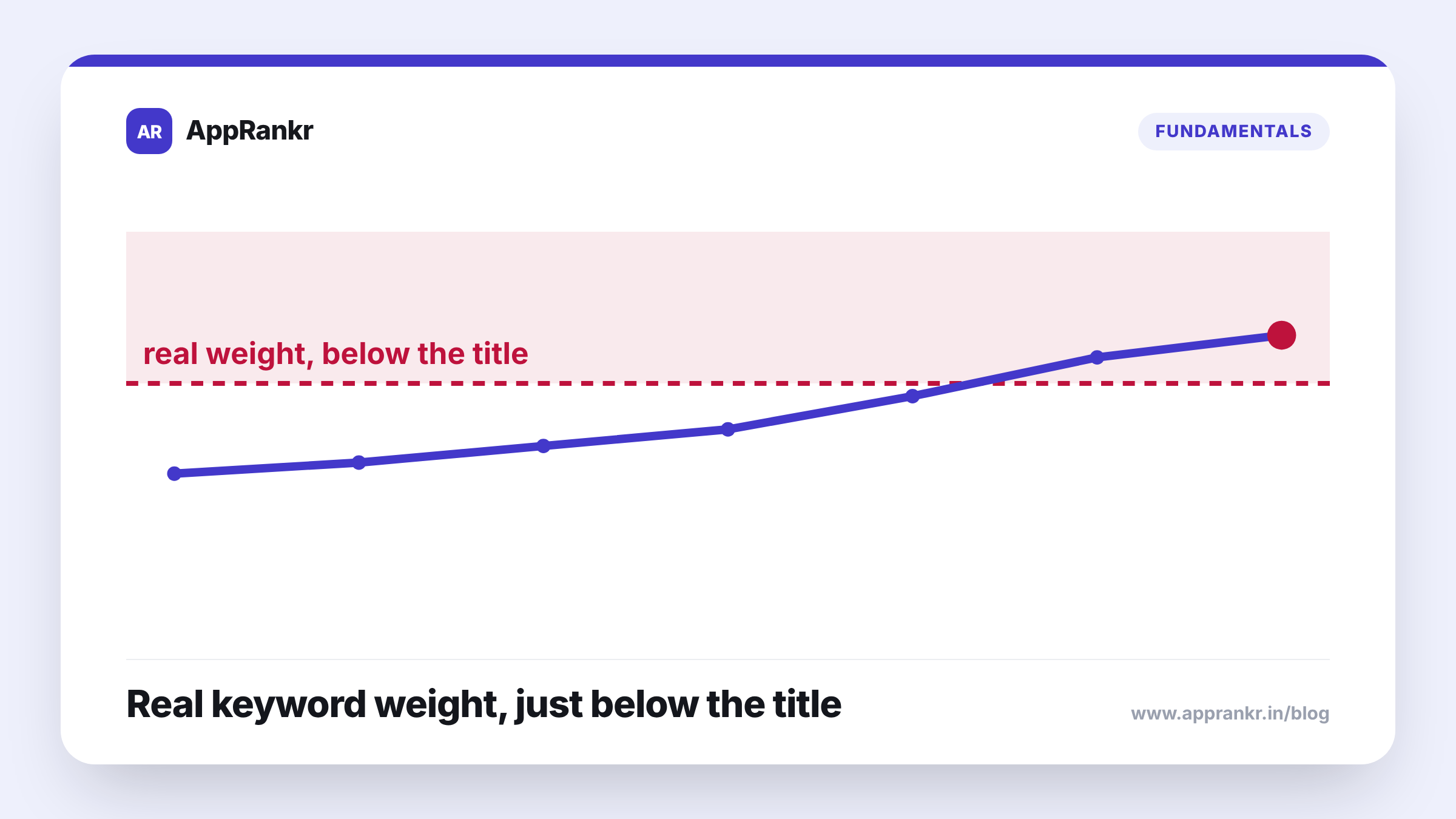
- Your subtitle carries real keyword weight, generally less than the title, but more than most teams treat it as having.
- Frequent, casual subtitle edits create the same kind of churn in your keyword history that title changes do, just at a smaller scale.
- A title change gets treated as a careful decision by most teams. A subtitle change often doesn’t get the same care.
- Testing a subtitle change deliberately, with a clear before-and-after read, beats editing it on a whim.
A title change gets planned, reviewed, maybe even run past a few people first. The subtitle sitting right below it often gets swapped out on a whim, with nobody treating it as the same kind of decision.
Why the subtitle deserves more care than it gets
Your subtitle genuinely carries keyword weight. Less than the title, but real weight all the same, more than most other fields on your listing. Treating it as a throwaway line you can tweak freely misses what it’s actually contributing to your keyword matching. It’s not the title’s equal, but it’s closer to the title than it is to a field with no real ASO weight at all.
| Keyword weight | |
|---|---|
| Title | Highest |
| Subtitle | Real, but lower than the title |
| Most other listing fields | Little to none |
Why frequent edits still cost you something
A title change, done carelessly or too often, disrupts your keyword history and makes it harder to tell what’s actually driving a rank shift. A subtitle change does the same thing, just at a smaller scale. Edit it casually every few weeks chasing whatever feels fresh, and you lose a clean read on whether any single change actually helped. The subtitle doesn’t need title-level caution. It needs more than it usually gets.
Real-world scenario: A team treated their subtitle as low-stakes, swapping it out every time someone on the team had a new phrasing idea, often without any tracking of what came before. Keyword rank for a few secondary terms kept shifting in ways nobody could trace back to a specific cause. Once they started treating subtitle changes the same way they treated title changes, one deliberate edit at a time, with a real before-and-after check, they could finally tell which changes were actually helping.
What to actually do about it
- Treat your subtitle as a real keyword field, not a throwaway line. It carries meaningful weight, even if less than your title.
- Change it with a reason, not a whim. Casual edits create the same tracking problem a careless title change does, just smaller.
- Give each subtitle change a real before-and-after read. You can’t tell what worked if you’re changing it again before you’ve checked.
- Hold it to a lighter version of your title-change discipline. Not the same bar, but closer to it than most teams assume.
AppRankr’s ASO Inspector checks your real title and subtitle signals together, a useful way to see what each one is actually contributing.