Key points:
- Reporting describes two Apple Ads changes effective September 1, 2026. Age/gender targeted ad groups lose attribution. A new touchpoint timestamp field gets added.
- Claims now get checked against your lookback window, using that timestamp. Reporting says that can mean a slight dip in attributions credited to Apple Ads.
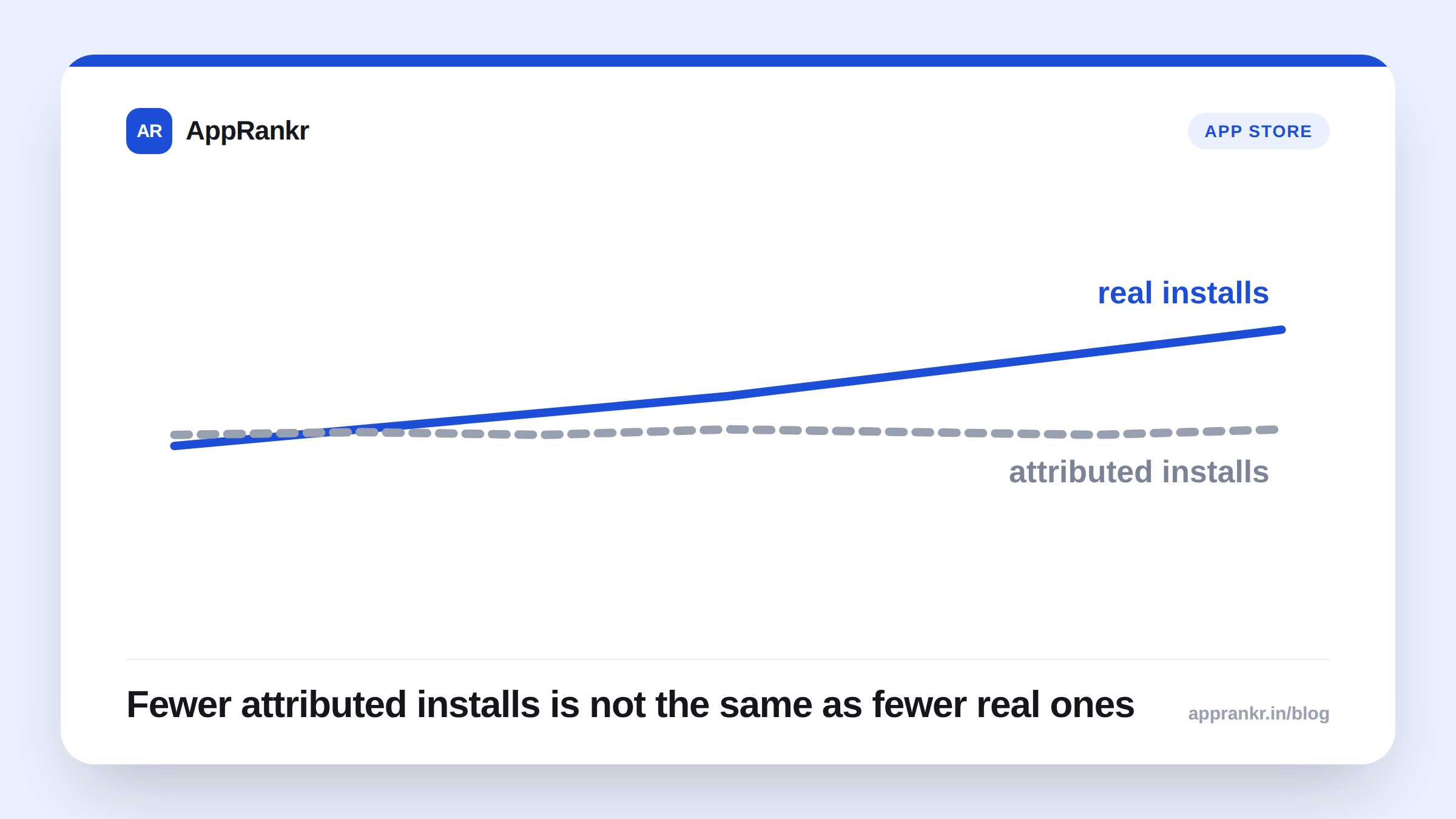
- A drop in attributed installs is not the same as a real drop in installs. Worth pulling apart before you react.
- This rests on industry reporting. Not a primary Apple page fetched directly for this piece. Check your own account before acting.
A quiet attribution change can look exactly like a real drop in performance. If you’re not watching for it. Reporting describes one landing in Apple Ads on September 1, 2026. Here’s what’s described. And why “check your own account” beats assuming the worst.
What’s reported to have changed
Two specific pieces, per the reporting reviewed here:
| Change | What it means |
|---|---|
| Age/gender targeted ad groups | Attribution no longer available for these |
| Touchpoint timestamp | A new field, added next to the existing ones |
The reporting ties these together directly. Claims now get checked against your account’s lookback window, using that new timestamp. The described result: a slight dip in attributions credited to Apple Ads. Not necessarily fewer real installs.
Why that gap actually matters
An attribution number and a real install number aren’t the same thing. Easy to mix up when a chart just shows fewer credited installs. If this holds up, some installs that used to get credit simply won’t anymore. The install still happened. The chart just reads differently now.
Treat a lower attributed number as a real drop, cut spend because of it, and you risk fixing a problem that was never actually there.
Real-world scenario: A team running several age-targeted ad groups saw fewer attributed conversions right around early September. Their first thought: the campaigns had stopped working. Time to pull budget and move it elsewhere. They checked their own account settings and Apple’s current docs first, alongside reporting like this. That pointed to the attribution change instead. They checked total installs from their own analytics tool, separate from Apple Ads’ own numbers, and installs had actually held steady. The dashboard’s dip was an attribution artifact. Not a real one.
What to actually do about it
- Check attributed numbers against an outside install source. Don’t let Apple Ads’ own attribution be your only signal for whether a campaign works.
- Check if any of your ad groups use age or gender targeting. That’s the exact group reporting says is hit.
- Check your lookback window setting. The new timestamp reportedly gets measured against it. A setting you haven’t touched in months is worth a look now.
- Verify all of this in your own Apple Ads account and Apple’s own current docs. This piece leans on industry reporting, not a primary Apple source fetched directly. Treat it as a reason to check. Not as a final answer.
AppRankr’s Rank Tracker tracks your organic App Store visibility. Entirely separate from anything Apple Ads credits to paid campaigns. Keeping the two apart is exactly what stops an attribution change from looking like a real ranking problem.